

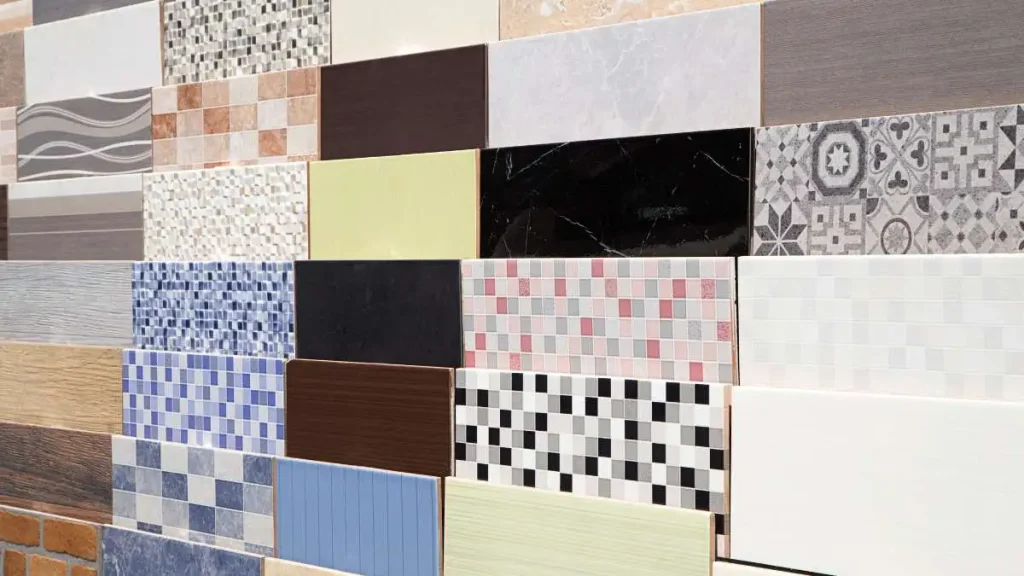
Considering tiles vs hybrid flooring? Both tiles and hybrid flooring are durable, waterproof, and genuinely good options, which is exactly what makes choosing between them so tricky.
The truth is, there’s no universal “better” option. The right choice depends on your specific room, how your household actually lives, and what you’re working with budget-wise.
In this guide, A Timber Floorer’s hybrid flooring service will walk you through a head-to-head comparison, room-by-room recommendations, a real cost breakdown, and a simple framework to help you decide.
Let’s dive deeper!
What is Hybrid Flooring
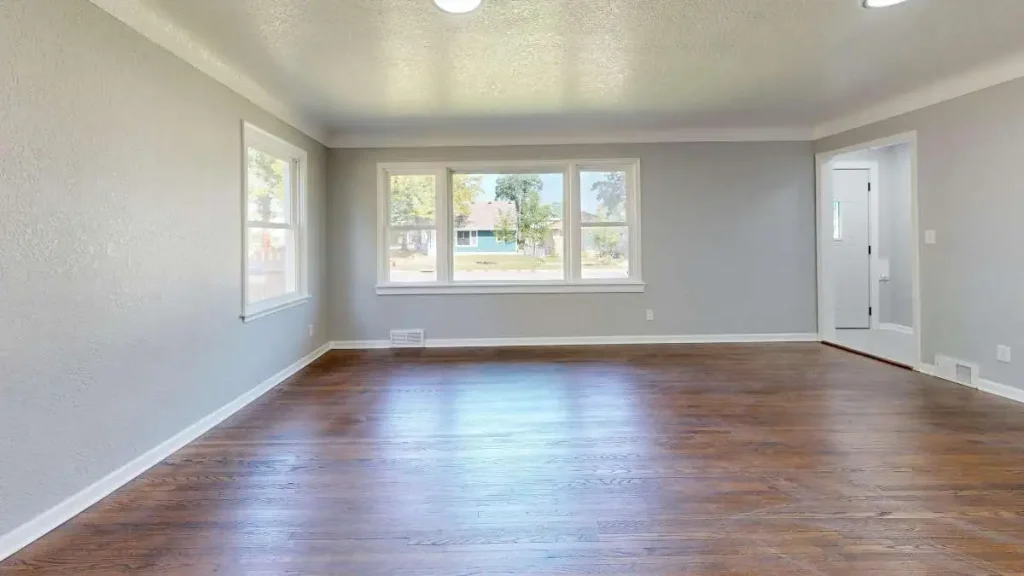
Hybrid flooring is a multi-layer, rigid-core product (SPC or WPC) that combines the waterproofing of vinyl with the realistic look and feel of timber.
It installs as a floating click-lock floor, meaning no adhesive and no specialist trades required. It’s one of the most versatile flooring options on the market right now.
Tiles vs Hybrid Flooring: A Side-by-Side Comparison
| Tiles | Hybrid Flooring | |
| Durability | Extremely hard; resistant to scratches and heat | Highly durable but can dent under heavy point loads |
| Waterproofing | Waterproof (grout lines can absorb moisture if unsealed) | 100% waterproof core |
| Comfort | Hard and cold underfoot | Warmer, softer underfoot; quieter |
| Installation | Requires professional tiling; longer curing time | DIY-friendly floating click-lock system |
| Maintenance | Grout requires periodic cleaning and resealing | Easy to clean; no grout lines |
| Cost | $50–$120/m² installed | $40–$90/m² installed |
| Lifespan | 20–50+ years | 20–30 years |
The table tells most of the story, but a few trade-offs are worth calling out. Tiles have a clear edge in raw longevity and heat resistance, which matters in high-traffic areas or rooms with direct sun exposure.
They also hold their value well in properties where stone or porcelain finishes are expected.
Hybrid flooring, on the other hand, wins on comfort, installation speed, and overall cost. The absence of grout lines is a genuine day-to-day advantage, and the warmer, softer feel underfoot makes a noticeable difference in living areas and bedrooms.
Neither option is a clear winner across the board. Where you land depends largely on the specific room and how you use it, which is exactly what the next section covers.
Durability and Scratch Resistance
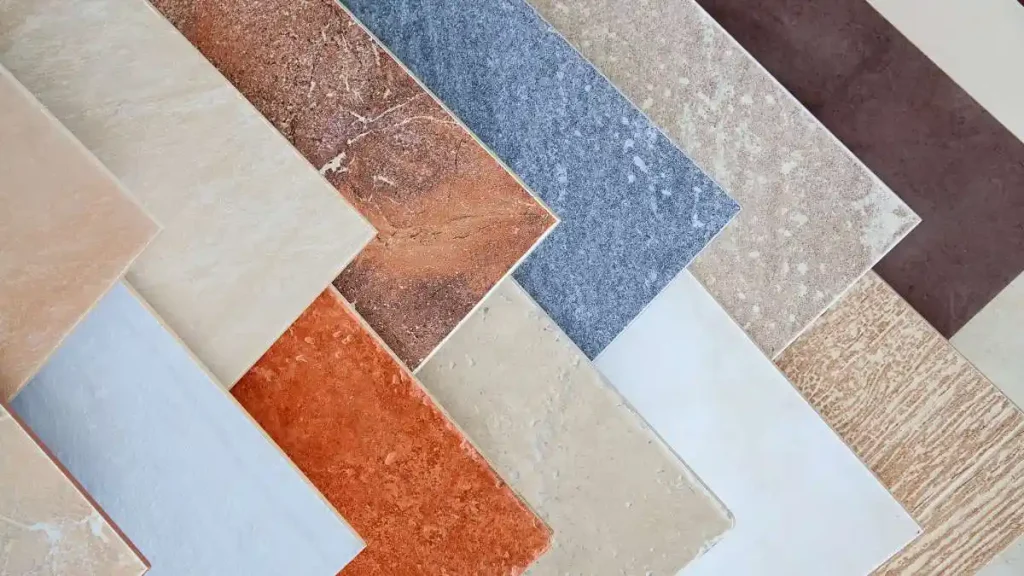
Porcelain tiles are among the hardest floor surfaces available, handling heavy loads, scratches, and daily abuse with ease. Natural stone is softer and more prone to chipping.
Hybrid flooring is highly durable for a floating floor product, wear layers of 0.5mm+ handle everyday residential use well, but it cannot match tile for raw hardness. In practice, dropped cast-iron cookware can chip porcelain; dragging furniture without felt pads will scratch hybrid.
Both need some care. For Melbourne homes with large dogs or very heavy foot traffic, tiles have the edge.
Waterproofing
Both are waterproof at the surface level. The key difference is grout: tile grout is porous and absorbs moisture over time without regular sealing. Hybrid has no grout lines, which removes that maintenance vulnerability entirely.
For wet areas like showers, tiles over a correctly waterproofed substrate remain the compliant choice under the National Construction Code.
Hybrid is appropriate up to the shower recess but not inside it. In kitchens, bathrooms, and laundries, both perform well day-to-day.
Comfort and Temperature
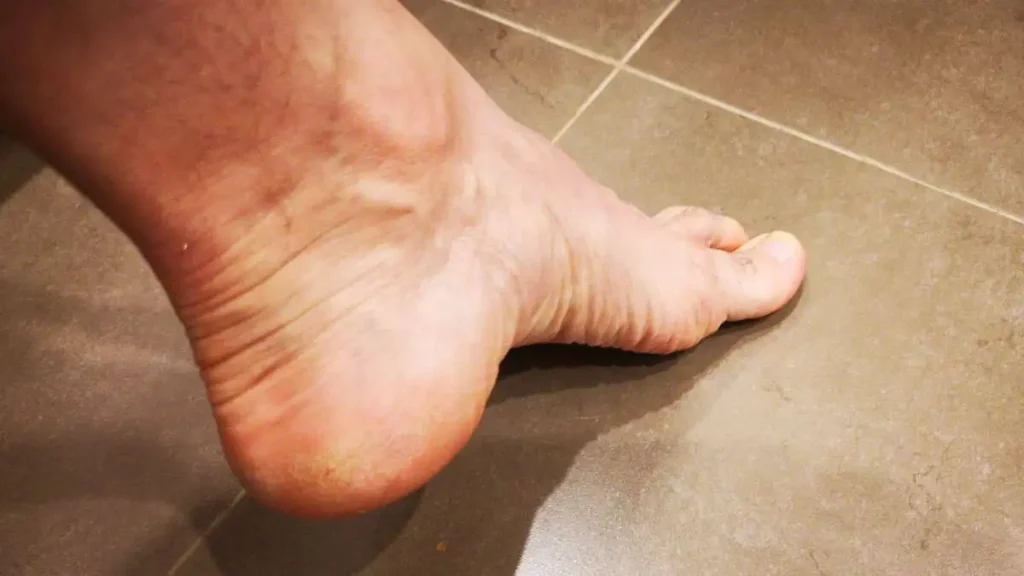
This is where hybrid wins for most Melbourne homeowners. Tiles conduct temperature, in Melbourne winters, that means cold floors underfoot, particularly in the morning.
Underfloor heating solves it but adds $80–150/m² to the project. Hybrid sits closer to room temperature year-round, and the built-in underlay adds real cushioning. For kitchens where families stand for extended periods, that comfort difference is noticeable.
Installation
Tile installation is a skilled trade. Wet area tiling requires licensed tradespeople under the NCC, and a typical kitchen floor takes two to three days minimum before it’s fully usable.
Hybrid uses a click-lock floating system, DIY-friendly for confident homeowners in straightforward rooms, and professionally installed in hours, not days.
A particularly useful advantage: hybrid can often be laid directly over existing tiles, provided they’re flat and firmly fixed, which saves significant removal costs.
Maintenance
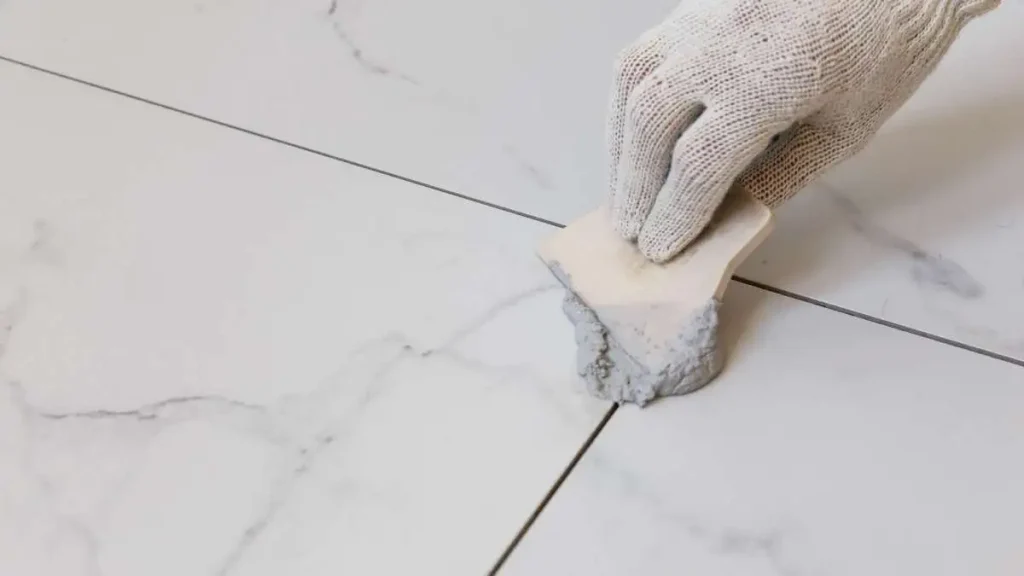
Tiles need sweeping, mopping, and periodic grout resealing every two to five years, grout can stain and discolour over time, especially in kitchens. Hybrid needs sweeping and an occasional damp mop.
No grout, no sealing, no refinishing. For rental property owners or anyone who wants a genuinely low-maintenance floor, hybrid is the easier option to live with.
Cost Comparison
Standard porcelain tiles supply only: $30–80/m². Installed on a prepared subfloor: $80–180/m², more for large-format tiles, complex patterns, or wet area work. Hybrid supply only: $35–70/m².
Hybrid professionally installed: $65–130/m² all-in. For a typical 20m² Melbourne kitchen, professionally laid porcelain runs $2,000–4,000+; mid-range hybrid professionally installed comes in at $1,500–2,500.
See our hybrid flooring price guide for a detailed cost breakdown. However, these are indicative ranges, always get an itemised quote for your project!
Lifespan
Porcelain tiles can last 30–50+ years with proper care, making them one of the longest-lasting flooring options available. Quality hybrid flooring delivers 15–25 years under residential conditions.
One practical nuance worth noting: tile lifespan assumes you want the same tiles for decades. Grout deterioration, cracked tiles, and changing tastes mean most tile floors are updated well before they physically wear out.
For long-term investment thinking, tiles hold the edge. For a 10–20 year horizon, hybrid is more than adequate and significantly cheaper to install.
Which Flooring Wins Room by Room?
Rather than a single winner, the better question is: which is right for each room in your home?
| Room | Winner | Why |
| Kitchen | Hybrid | Warmer underfoot, no grout maintenance, better comfort for long periods standing |
| Bathroom | Split approach | Tiles inside shower recess (NCC compliant). Meanwhile, hybrid on the remaining floor |
| Living Room | Hybrid | Warmer, quieter, and more comfortable than tiles in everyday living spaces |
| Bedroom | Hybrid | Soft underfoot, acoustically pleasant, suits timber-look finishes |
| Hallway / Entry | Either | Both handle traffic well; choice depends on the rest of the home’s flooring |
| Laundry | Hybrid (slight edge) | Fully waterproof, easy to install, and zero grout maintenance |
Kitchen
Both options hold up well in a kitchen environment. Tiles offer superior longevity and scratch resistance, which matters if you are cooking heavily or staying in the home for 30+ years.
For most Melbourne homeowners though, hybrid is the better everyday choice: it is warmer underfoot in winter, more forgiving to stand on during long cooking sessions, and requires no grout upkeep.
Bathroom
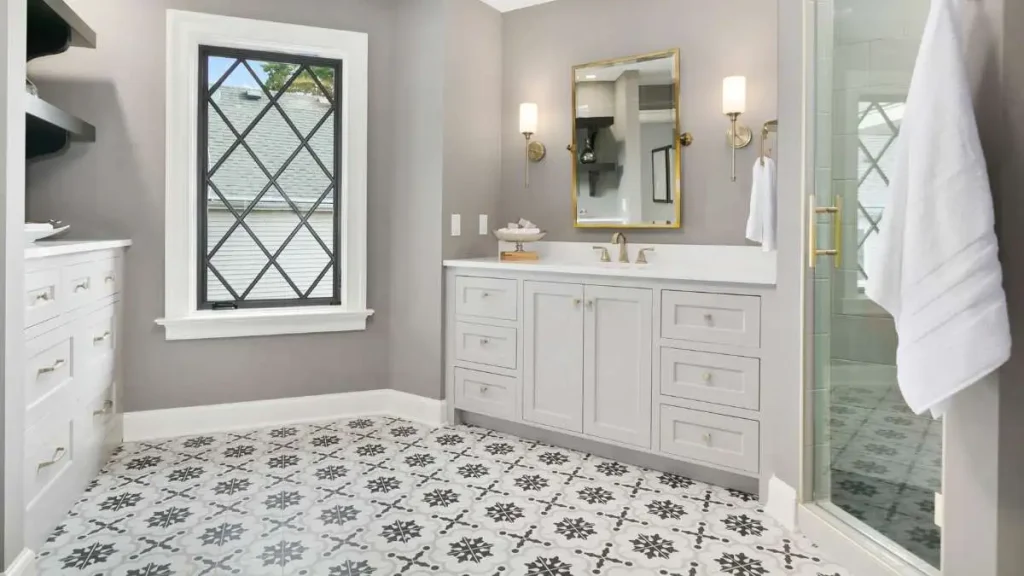
Inside the shower recess, tiles are the only compliant option under the National Construction Code. Waterproofing membranes are mandatory in wet areas, and that is not negotiable.
Outside the shower recess, hybrid performs well and is increasingly popular, offering a warmer, grout-free finish. A split approach works well for most Melbourne bathrooms: tiles where compliance requires it, hybrid across the rest of the floor.
Living Room and Bedrooms
Tiles are rarely the right call in living rooms or bedrooms. They are cold, acoustically hard, and uncomfortable underfoot for daily living. Hybrid flooring suits these spaces well, offering warmth, quietness, and timber-look finishes that complement most Melbourne home styles.
Hallway and Entry
Both materials handle high foot traffic comfortably. Tiles can look impressive in a formal entry but grout lines collect dirt and the surface can feel cold.
Hybrid in a thicker board (8mm+) holds up well in hallways and keeps the flooring consistent throughout the home. The decision here usually comes down to the look you are going for and what you have laid in adjacent rooms.
Laundry
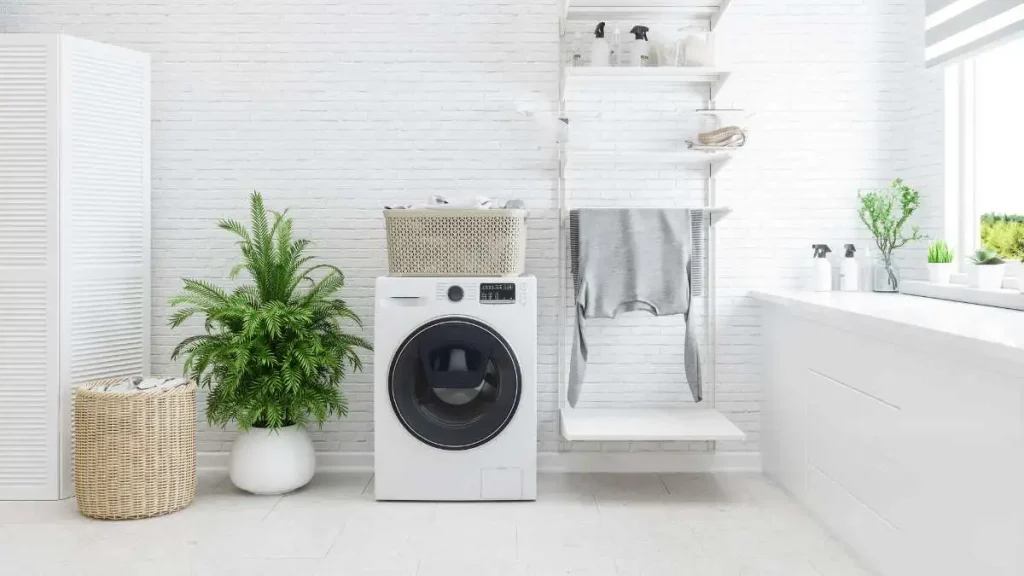
Both are suitable, with waterproofing being the main priority. If the laundry has a floor drain or regularly gets wet across the whole floor surface, tiles are the more practical call. For most standard laundries, hybrid is the lower-maintenance option.
Can You Install Hybrid Flooring Over Existing Tiles?
Yes, and for Melbourne homes undergoing renovation, this is one of hybrid flooring’s most practical advantages. As long as the existing tiles are flat (within 3mm over 3 metres), firmly fixed, crack-free, and clean, hybrid can go straight over the top.
This saves significant time and cost compared to tile removal, which typically runs $15–30/m² before any new flooring is even considered.
The one thing to check beforehand: each additional layer adds floor height. In doorways and transitions, this can create clearance issues. See the hybrid flooring installation guide before committing.
Who Should Choose Tiles, and Who Should Choose Hybrid?
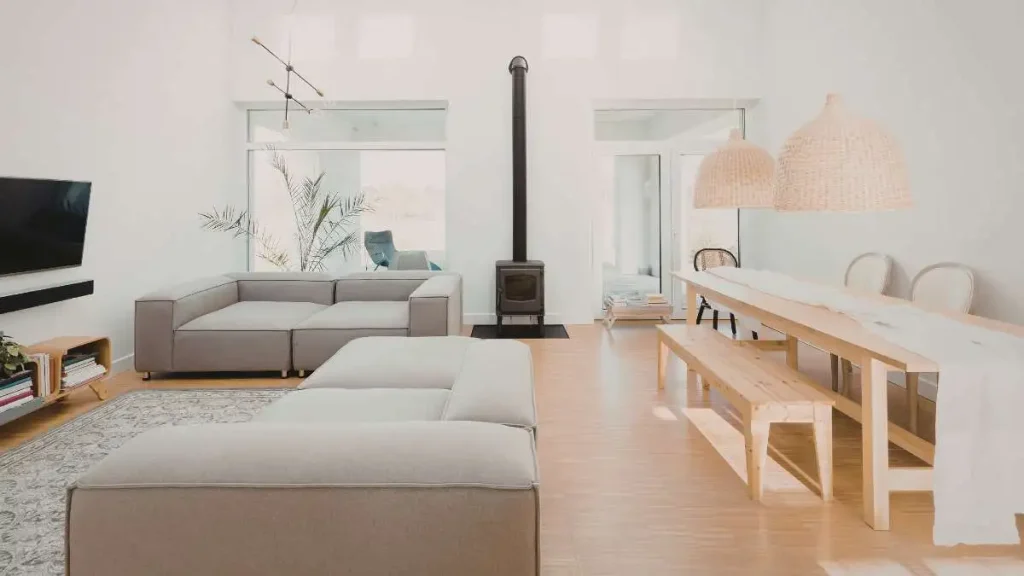
Rather than declaring a single winner, here is a practical way to think about it.
- Choose tiles if you want maximum lifespan, you are fitting a shower recess or compliant wet area, you prefer the look of stone or ceramic, or you already have underfloor heating installed.
- Choose hybrid if you want a warmer, quieter floor underfoot, you are renovating over existing tiles, you want minimal grout maintenance, or you are fitting living areas, bedrooms, and kitchens as one consistent whole-home floor.
Many Melbourne homes use both: tiles in wet areas, hybrid everywhere else. For most families, that split approach is the most practical outcome.
FAQ about Tiles vs Hybrid Flooring
Here are the most common questions Melbourne homeowners ask when comparing these two options
Is hybrid flooring cheaper than tiles in Australia?
Generally yes. Hybrid typically runs $65–130/m² installed; standard porcelain tiles professionally laid cost $80–180/m²+. Lower labour costs make the difference, no adhesive, grouting, or curing time required.
Can you put hybrid flooring in a bathroom?
Yes, on the floor outside the shower recess. Inside the shower, tiles are the compliant choice under Australian building standards.
Many homeowners use hybrid on the main bathroom floor for warmth and continuity.
How long does hybrid flooring last compared to tiles?
Porcelain tiles last 30–50+ years, quality hybrid flooring 15–25 years. For most planning horizons, hybrid’s lifespan is more than adequate.
Can hybrid flooring be installed over tiles?
Yes, provided the existing tiles are flat, firmly fixed, and in good condition, removing the need and cost of tile removal in many renovations.
Is hybrid flooring warmer than tiles?
Yes. Tiles conduct cold, which is noticeable in Melbourne winters. Hybrid sits closer to room temperature year-round and includes a cushioned underlay for added comfort.
Conclusion
Tiles and hybrid flooring are both excellent options. The right choice comes down to the room, your lifestyle, and your budget rather than a single winner. For most Melbourne homes, the practical answer is a combination: tiles in wet areas, hybrid flooring everywhere else.
The comparison above gives you a strong foundation, but a site visit will give you a much clearer picture for your specific home and subfloor conditions.
Not sure which direction to go? A Timber Floorer offers free, obligation-free measure and quote across Melbourne. Our team will assess your space, walk you through both options, and provide a fully itemised price with no surprises.