

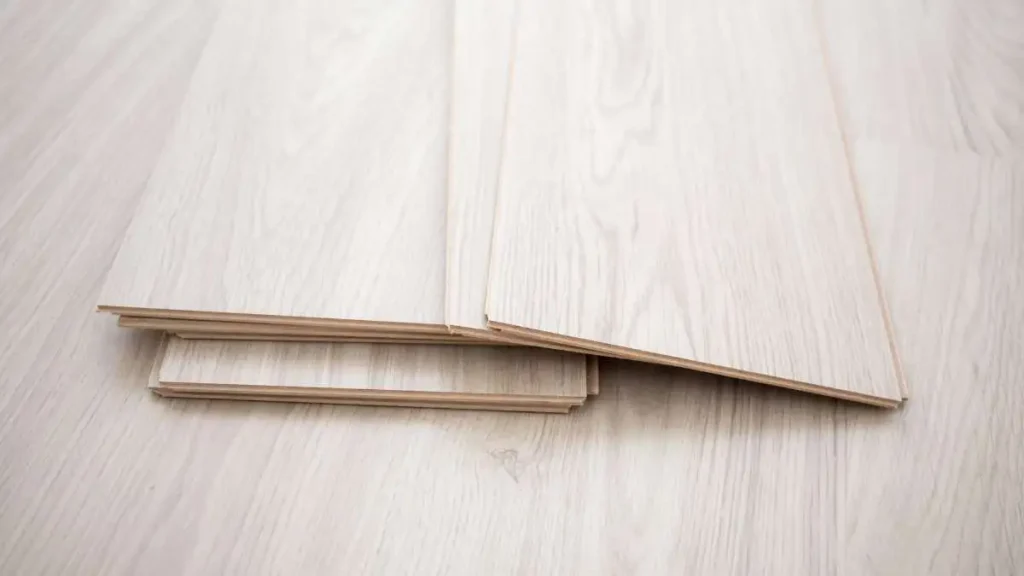
When researching hybrid flooring vs vinyl planks, many homeowners quickly realise the two are not as similar as they first appear.
Both are waterproof, stylish, and suitable for modern Australian homes, but choosing the wrong one can lead to higher long term costs, warranty issues, or even acoustic compliance problems in apartments.
We, A Timber Floorer, understand how confusing the decision can feel. That’s why this guide is here to help you compare both flooring options and choose the right fit for your home.
Hybrid Flooring vs Vinyl Planks: Quick Comparison
If you want the short version, here it is: both flooring types are waterproof and look fantastic, but hybrid flooring is generally thicker, quieter underfoot, and better suited to busy family homes.
| Feature | Hybrid Flooring | Vinyl Planks |
| Core material | Rigid stone composite core | Flexible PVC core |
| Thickness range | 5mm–9mm | 2mm–5mm |
| Waterproofing | 100% waterproof | 100% waterproof |
| Installation method | Click-lock floating floor | Glue-down or click-lock |
| Acoustic performance | Better sound absorption | Can sound hollow |
| Temperature stability | More stable in heat/cold | More expansion possible |
| Price range (supply only) | Mid to premium | Budget to mid-range |
| Ideal use case | Family homes, open-plan areas | Rentals, bedrooms, low-traffic spaces |
For most Melbourne homes, especially those with pets, children, or open-plan layouts, hybrid flooring is the stronger long-term choice. Vinyl planks still make sense for rental properties, tighter budgets, or rooms with lighter foot traffic.
Both options are fully waterproof, but they differ in how they handle uneven subfloors, temperature changes, and apartment acoustic requirements.
What Is the Difference Between Hybrid Flooring and Vinyl Planks?
Two floors that look similar on the surface can behave very differently once they’re laid, and that usually comes down to what’s happening underneath the top layer.
1. Core Construction
Vinyl planks use a PVC core, sometimes reinforced with fibreglass layers. This makes them flexible, which helps them follow minor subfloor imperfections.
Hybrid flooring, on the other hand, uses a rigid SPC (Stone Plastic Composite) or WPC (Wood Plastic Composite) core.
That rigid core is the biggest reason hybrid flooring feels more solid and timber-like underfoot. It also handles uneven subfloors better over time. Vinyl can eventually “telegraph” bumps, dips, or imperfections through the surface, while hybrid is better at bridging them.
2. Installation Method
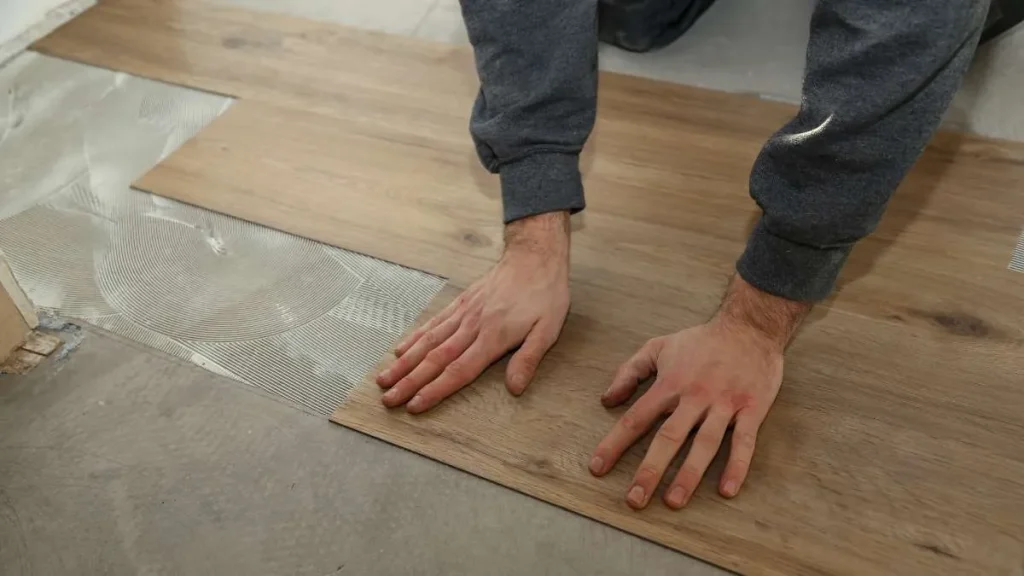
Vinyl planks are usually installed as glue-down or loose-lay flooring. Glue-down vinyl creates a very permanent finish, while loose-lay systems rely on friction and perimeter fixing.
Hybrid flooring uses a click-lock floating system. The boards lock together and float above the subfloor without adhesive. This makes damaged boards easier to replace later on.
One advantage of glue-down vinyl is that it can sit flush against existing skirtings without requiring scotia trim, which some homeowners prefer visually.
3. Waterproofing
Both hybrid flooring and vinyl planks are 100% waterproof, making them suitable for kitchens, laundries, bathrooms, and living spaces.
The difference is how they deal with standing water over time. Hybrid flooring’s rigid core is generally more resistant to water pooling around board joints. Vinyl’s softer core can allow moisture into seams if installation is poor or adhesive coverage is inconsistent.
4. Durability and Scratch Resistance

Both flooring types rely on a protective wear layer. In general, the thicker the wear layer, the more durable the floor will be.
Hybrid flooring has an advantage when it comes to dents and impacts because of its rigid core. It is less likely to compress under heavy furniture, dining chairs, or constant foot traffic.
Vinyl planks are softer, so they can puncture or tear more easily, especially in busy homes with pets or children.
For family homes, hybrid is usually the safer long-term choice.
5. Acoustic Performance
This matters more than many people realise, especially in Melbourne apartments and strata properties where acoustic compliance rules apply.
Vinyl planks can transfer more structure-borne noise into the subfloor, and many products require a separate acoustic underlay to meet NCC apartment standards. Hybrid flooring often includes a pre-attached acoustic underlay, making compliance easier in many residential settings.
If you live in an apartment, always check acoustic ratings before choosing vinyl planks.
6. Temperature Stability
Melbourne’s mix of hot summers and cool winters can affect flooring performance.
Vinyl flooring naturally expands and contracts more with temperature changes because of its PVC core. Glue-down installation helps minimise movement, but it does not eliminate it completely.
Hybrid flooring is far more dimensionally stable thanks to its limestone composite core. It handles direct sunlight and temperature swings better, making it a smarter option for open-plan homes, north-facing rooms, and sun-exposed areas.
7. Comfort and Feel Underfoot

Vinyl planks feel softer and slightly more cushioned underfoot because of the flexible PVC core. Some people enjoy this softer feel, while others think it sounds hollow when walked on.
Hybrid flooring feels firmer, denser, and more premium overall. Combined with its acoustic backing, it delivers a feel that is closer to real timber flooring, especially in living rooms and bedrooms where comfort matters most.
How Much Do Hybrid Flooring and Vinyl Planks Cost in Australia?
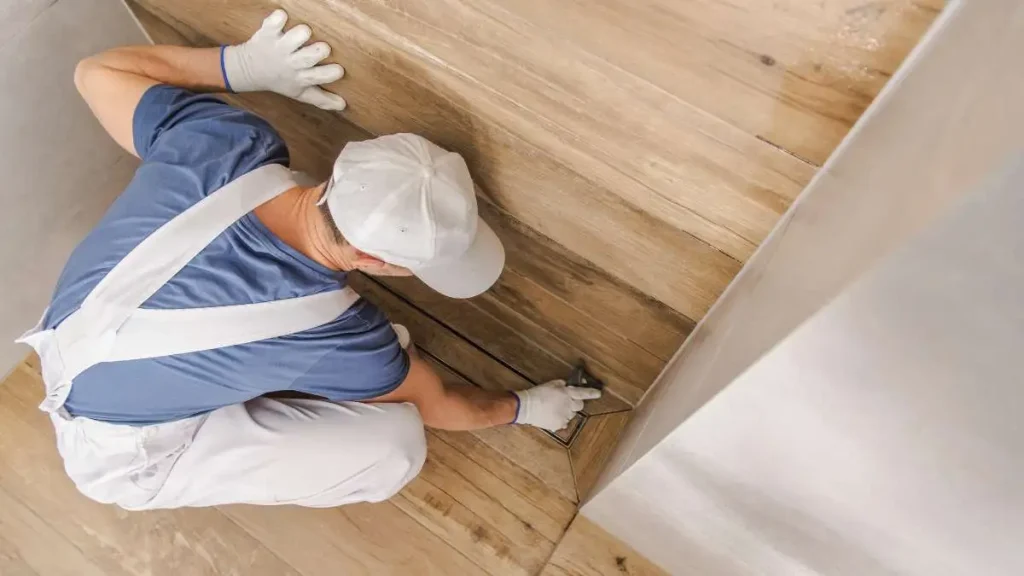
Price is often the deciding factor, so here’s an honest breakdown of what each option costs in 2025 or 2026.
Vinyl planks are generally the cheaper entry point. Supply-only pricing usually ranges from around $20–$40 per square metre, depending on the product quality, thickness, and wear layer.
Hybrid flooring sits higher in the market, with supply-only prices typically ranging between $35–$70 per square metre. Budget hybrid products are available, but premium ranges with thicker boards and stronger acoustic backing can cost more.
Once installation is included, the gap becomes clearer:
- Vinyl planks (supply + installation): around $50–$80/m²
- Hybrid flooring (supply + installation): around $65–$130/m²
Hybrid flooring does cost more upfront, but it often lasts longer and handles heavy daily use better. Over time, the yearly ownership cost can end up surprisingly competitive, especially in busy family homes.
If you want a more detailed breakdown of product tiers, labour costs, and hidden installation fees, read the full guide of hybrid flooring pricing here.
One important tip: always ask for an itemised written quote. “Installation included” does not always mean the same thing between flooring suppliers. Subfloor preparation, underlay, trims, furniture moving, and old floor removal may or may not be included in the final price.
Which Floor Is Right for Your Home?
Rather than giving a single answer, here’s how to match the right product to your specific situation.
Rental Properties and Investment Homes
Vinyl planks are often the practical choice for rentals because they are affordable, waterproof, and durable enough for everyday tenant use.
If the owner wants fewer replacement cycles over the long term, budget hybrid flooring can also be worth considering.
Family Homes with Pets and Children
Hybrid flooring is usually the better fit for busy households. The rigid core handles claws, dropped toys, and heavy foot traffic more effectively, while the thicker construction feels more solid underfoot.
The built-in acoustic underlay also adds comfort for kids playing on the floor.
Melbourne Apartments and Strata Buildings
Hybrid flooring has a major advantage here because many products already include acoustic underlay and meet NCC acoustic requirements.
Vinyl planks may need a separate acoustic underlay to comply, which can increase both cost and floor height. Always confirm acoustic ratings with your installer before purchasing.
Rooms with High Sun Exposure

Hybrid flooring performs better in hot, sun-exposed areas thanks to its more stable limestone composite core. Vinyl can expand or gap over time in north-facing rooms and sunrooms during Melbourne summers.
Tight Budgets
Vinyl planks remain the cheaper option for both supply and installation, especially when the existing subfloor is already smooth and level.
That said, mid-range hybrid flooring becomes more competitive in whole-home renovations where bulk pricing helps reduce the gap.
Installing Over Existing Tiles
Hybrid flooring can often be installed directly over level tiles without major preparation. Vinyl planks usually require a flood coat or levelling compound first, which adds extra labour, height, and cost.
FAQ: Hybrid Flooring vs Vinyl Planks
Here are the most common questions Melbourne homeowners ask when comparing these two flooring options.
Is hybrid flooring better than vinyl planks?
For most owner-occupied family homes, hybrid flooring is usually the better long-term investment. It is more stable, more resistant to dents and scratches, and generally performs better acoustically.
Vinyl planks still work well for rentals, smaller renovations, or projects where keeping costs down is the priority.
Can you tell the difference between hybrid and vinyl plank flooring by looking at it?
Not usually. Most modern hybrid and vinyl products use very similar printed timber designs, so visually they can look almost identical.
The biggest difference is how they feel when you walk on them. Hybrid flooring feels firmer and more solid, while vinyl can feel softer and slightly hollow.
Which lasts longer, hybrid or vinyl planks?
Hybrid flooring often lasts around 20 to 30 years with proper care. Vinyl planks generally last between 10 and 20 years depending on the product quality and foot traffic. In both cases, a thicker wear layer usually means better durability.
Can hybrid flooring and vinyl planks both be used in bathrooms?
Yes. Both flooring types are fully waterproof and suitable for bathrooms, laundries, and kitchens when installed correctly. With hybrid flooring, proper sealing around edges and doorways is important to stop water getting underneath the boards.
Do vinyl planks need underlay?
Sometimes. Many vinyl plank products require a separate underlay, especially in apartments where acoustic compliance matters. Most quality hybrid flooring already comes with pre-attached acoustic underlay included.
Conclusion
Hybrid flooring is the stronger long-term investment, especially for family homes, pet owners, and apartments where acoustic performance matters. It is more stable, more durable, and generally better suited to the way busy households live day to day.
That said, vinyl planks still offer excellent value for rental properties, lower-traffic spaces, and renovations where budget is the main priority.
The best flooring choice should never come down to price alone. Your subfloor condition, room type, sun exposure, and lifestyle all play a major role in choosing the right product.
Not sure which option is best for your home? A Timber Floorer offers free, obligation-free measure and quote services across Melbourne.
With more than 20 years of experience, our flooring specialists can assess your space, recommend the right flooring for your needs, and provide a fully itemised quote with no surprises! Contact us now.