

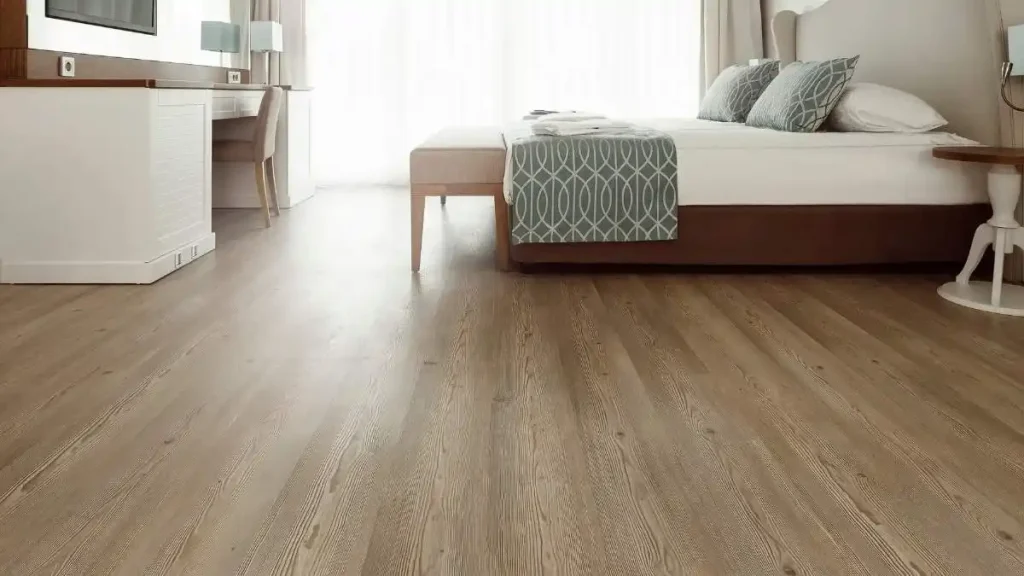
Have you ever walked into a home and thought, “What is that floor?” It looks like timber, feels solid underfoot, yet somehow handles spills, kids and pets without breaking a sweat.
As one of the trusted Melbourne flooring specialists in the industry, we have seen firsthand just how much of a game changer hybrid flooring is.
Read this post to find everything you need to know.
What Is Hybrid Flooring?
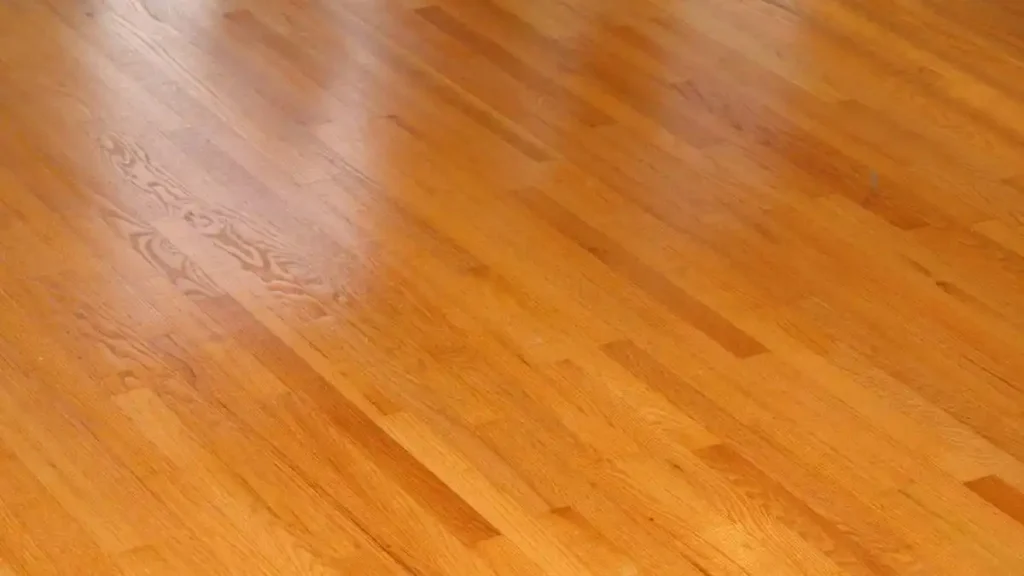
Hybrid flooring is a layered, rigid-core flooring product that combines the best qualities of laminate and vinyl into one highly versatile solution.
Each plank is built with multiple layers, including a rigid core that keeps it stable underfoot, a realistic timber-look print layer, and a protective wear layer on top that stands up to everyday wear and tear.
It is most commonly installed as a floating floor using a click-lock system, meaning the planks simply snap together without the need for glue or nails. This makes installation cleaner, faster, and far less disruptive to your home.
The reason hybrid flooring has become so popular in Australian homes comes down to three things: it looks stunning, it holds up incredibly well in high traffic areas, and it handles moisture like a champ.
What Is Hybrid Flooring Made Of?
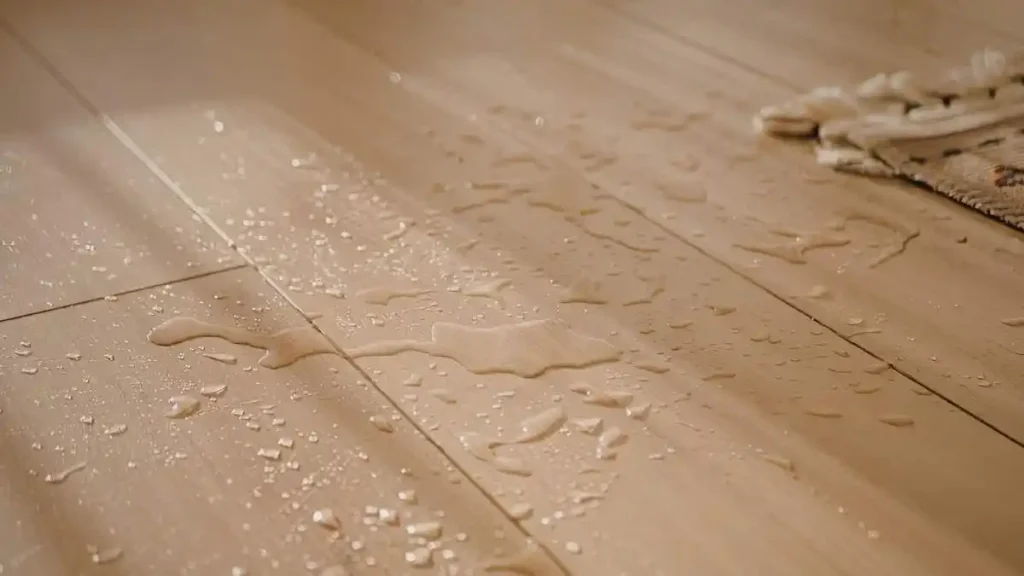
One of the reasons laminate & hybrid flooring performs so well is because of how it is put together. Here is a quick breakdown of what is inside each plank.
Wear Layer
Sits on top and protects the floor from scratches, spills, and heavy foot traffic. The thicker the wear layer, the more durable your floor will be.
Decorative Layer
A high resolution image printed onto the plank that realistically mimics the grain, texture, and colour of real timber.
Rigid Core
Made from stone plastic composite material that keeps the floor stable, flat, and water resistant.
Backing or Attached Underlay
A soft foam or cork base that cushions the floor, absorbs sound, and smooths out minor subfloor imperfections. In most cases, no separate underlay is needed.
Main Types of Hybrid Flooring
There are two main types available on the market. We’re going to discuss hybrid flooring options below:
SPC Hybrid Flooring
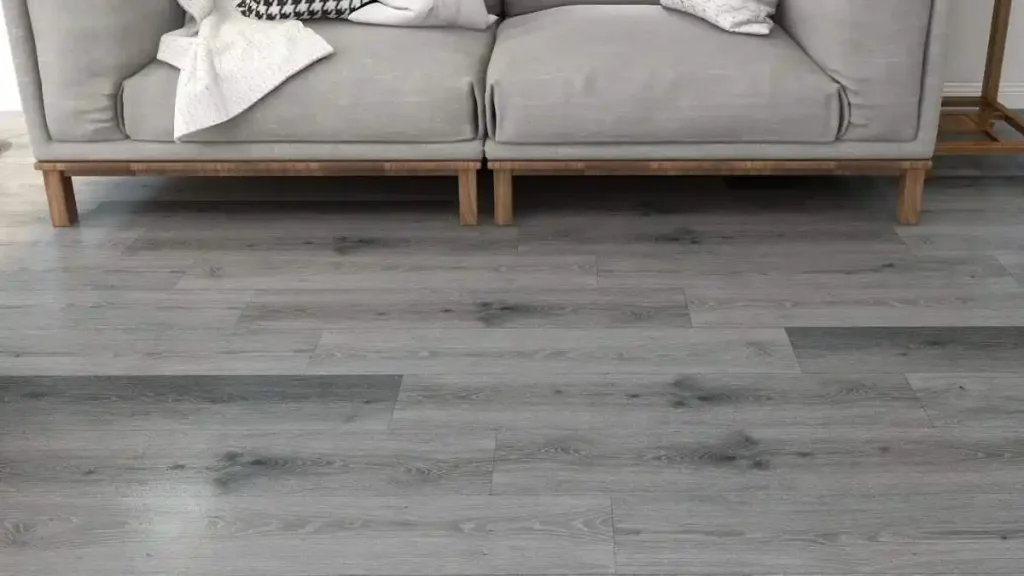
SPC stands for Stone Plastic Composite. This type has a denser, harder rigid core made from a mixture of limestone powder and PVC, which makes it extremely stable and resistant to dents and heavy loads.
It is generally thinner and heavier than its counterpart, and because of its solid core it handles temperature fluctuations really well.
SPC is also a popular choice for high traffic areas like hallways, kitchens, and commercial spaces where durability is the top priority.
WPC Hybrid Flooring
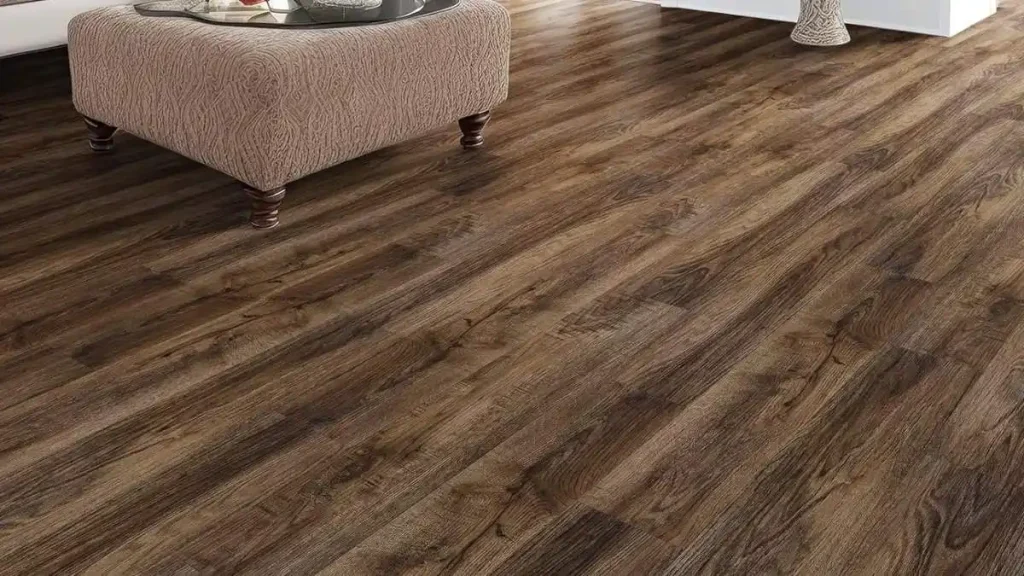
WPC stands for Wood Plastic Composite. The core of WPC flooring is made from a combination of wood fibre and plastic, giving it a slightly softer and more cushioned feel underfoot compared to SPC.
It tends to be a little thicker and lighter, which also means it offers better sound absorption and a more comfortable walking experience.
WPC hybrid flooring is a great option for living areas and bedrooms where comfort and warmth are just as important as durability.
When Hybrid Flooring May Not Be the Best Choice
Hybrid flooring is a great all rounder, but it is not always the right fit for every situation. Here are a few scenarios where another option might serve you better.
You Want the Real Thing
If authentic timber is what you are after, hybrid flooring will not fully replace that experience. The decorative layer does an impressive job of mimicking wood, but it is still a printed image at the end of the day.
Comfort Underfoot Is Your Top Priority
Hybrid flooring has a cushioned backing, but it is still a firm product by nature.
If a softer, warmer underfoot feel is really important to you, carpet might be a more suitable option, particularly in bedrooms or living areas where comfort takes centre stage.
Your Subfloor Has Serious Issues
Hybrid flooring is forgiving over minor subfloor imperfections, but it is not a fix for major problems.
If your subfloor has significant unevenness, structural damage, or moisture issues coming up from below, those problems need to be properly addressed before any flooring goes down.
You Are After a Premium Natural Finish
For homeowners renovating a high end property where a luxury natural aesthetic is the goal, materials like solid hardwood or stone tiles may deliver a finish that hybrid flooring simply cannot replicate.
When the overall look and prestige of the space is the driving factor, natural materials tend to carry more weight.
FAQ About Hybrid Flooring
1. Is hybrid flooring waterproof?
Yes, hybrid flooring is fully waterproof thanks to its rigid core construction.
That’s why it’s a reliable choice for kitchens, bathrooms, and laundries where moisture is a constant factor.
2. How long does hybrid flooring last?
With proper care, hybrid flooring can last anywhere from 20 to 30 years.
The lifespan largely depends on the quality of the product, the thickness of the wear layer, and how well it is maintained over time.
3. Can hybrid flooring be installed over tiles?
In most cases, yes. Hybrid flooring can be installed over existing tiles as long as the surface is flat, stable, and in good condition.
Any cracked, loose, or uneven tiles should be addressed beforehand to ensure a smooth and long lasting result.
4. Why Hybrid Flooring Is a Good Flooring Option?
Hybrid flooring is a great choice because it combines the look of real timber with the durability and waterproof qualities that Australian homes genuinely need.
It works across almost every room, holds up well under daily wear and tear, and is incredibly easy to maintain.
5. Where does hybrid flooring work best?
Hybrid flooring works well in just about any room of the home and beyond.
It is a popular choice for living areas and hallways where foot traffic is constant, kitchens and bathrooms where moisture resistance matters most, and bedrooms where a comfortable and consistent finish is the goal.
It also holds up really well in commercial spaces like offices and retail environments where durability and easy maintenance are a priority.
6. How to Choose the Right Hybrid Flooring?
Start by considering where the floor is going and how much foot traffic that area gets. From there, check the wear layer thickness as a thicker wear layer means better durability for busy households.
It is also worth taking your time with colour, finish, and plank size to make sure it suits the overall look and feel of your home. If you are unsure, speaking with a flooring specialist is always the best move to make sure you are getting the right product for your space and budget.
Conclusion
Hybrid flooring is one of the most practical and stylish flooring choices available right now. It looks great, performs brilliantly across a wide range of spaces, and requires very little effort to keep it in top shape.
If you are ready to take the next step, contact A Timber Floorer today. With over 20 years of experience and a 5 star reputation across Melbourne, our team is here to help you find the right flooring solution for your space and budget.
Get in touch to book your obligation free quote and let us bring your vision to life.