

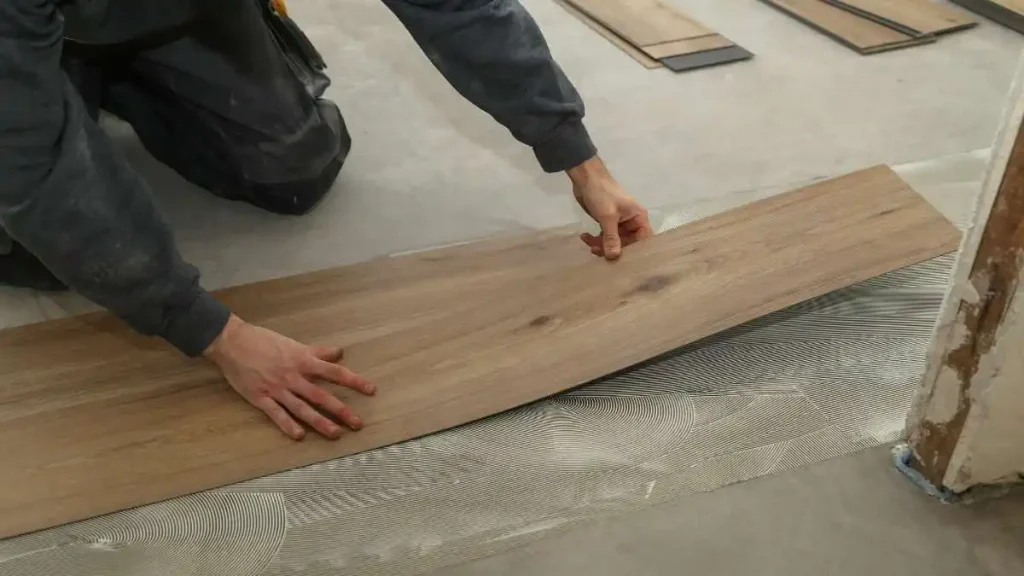
Already choose a hybrid flooring for your home? As one of the experienced flooring specialists in the industry, we’d like to let you know that its thickness matters much more than you think.
Get it wrong, and you’ll feel it with every step. Read this post and find out all the things you need to know about hybrid flooring thickness.
What Does Hybrid Flooring Thickness Actually Mean?
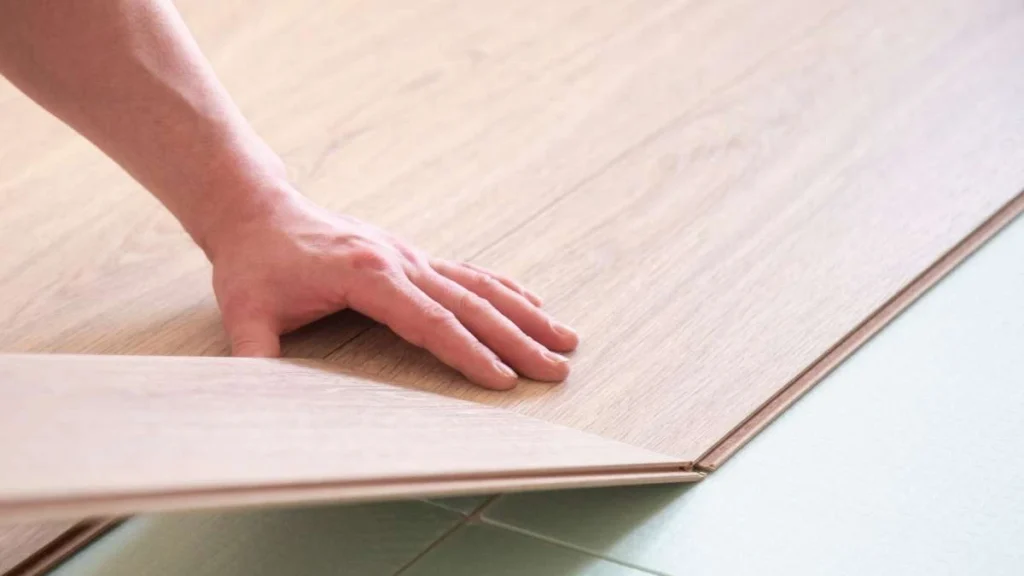
When we talk about hybrid flooring thickness, we simply mean the total height of the plank measured from top to bottom.
But here’s what most people don’t realise, that number isn’t just one solid layer. It actually includes several components stacked together: the wear layer on top, a decorative film that gives the floor its look, a rigid core in the middle, and sometimes an attached underlay at the bottom.
So when you see “6mm” or “12mm” on a label, that’s the combined measurement of all those layers.
This is also why thickness alone doesn’t tell the whole story. A thicker plank doesn’t automatically mean better quality. What matters more is how each layer is made and how well they work together.
Does Thicker Hybrid Flooring Mean Better Quality?
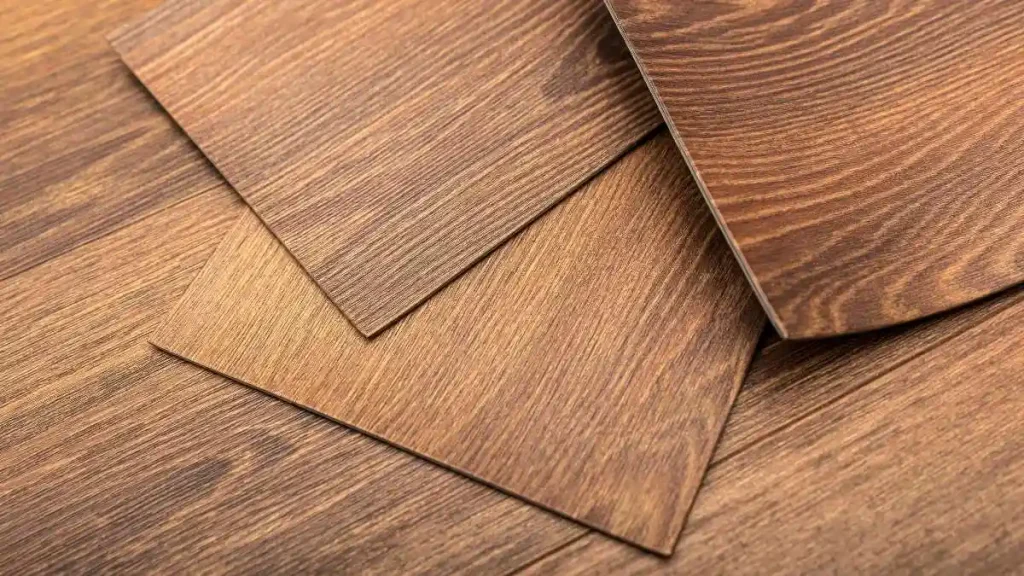
Not always. This is one of the most common misconceptions we come across.
Extra thickness can help in certain situations. If you have an uneven subfloor, a thicker plank with a good attached underlay will bridge minor imperfections more effectively. It can also feel more solid underfoot and offer slightly better sound absorption.
But thickness alone won’t save a poorly made product. A 12mm plank with a weak core and a flimsy wear layer will still underperform compared to a well-constructed 8mm option.
What actually determines quality is the core density, how the layers are bonded together, the strength of the locking system, and how well the floor is installed. These are the things that affect how your floor holds up over time, not just the number printed on the box.
So next time you’re comparing products, don’t let thickness be the deciding factor. Look deeper into what the plank is actually made of.
Hybrid Flooring Thickness Comparison: 5mm vs 6mm vs 7mm vs 8mm
Not sure which hybrid flooring options suit your home? Here’s a simple breakdown to help you compare at a glance.
| Thickness | Best For | Main Advantages | Possible Drawbacks |
| 5mm | Rentals, low-traffic rooms, tight budgets | Cost-effective, slim profile fits under most doors | May feel a little hollow or light underfoot |
| 6mm | Everyday home use, most room types | Reliable performance, good all-rounder for the price | Less forgiving on subfloors with noticeable dips |
| 7mm | Active households with kids or pets | Feels more comfortable underfoot, handles daily wear well | Slightly higher cost than entry-level options |
| 8mm | Open-plan living, high-traffic areas | Excellent underfoot feel, better noise reduction | Higher price point, may need door trimming |
Keep in mind, these are general guidelines. The right thickness for your home also depends on your subfloor condition, how much foot traffic your space gets, and your budget.
When in doubt, 6mm is a solid starting point for most Australian homes. It hits the sweet spot between performance and value, and works well across most rooms.
Which One Should You Choose?
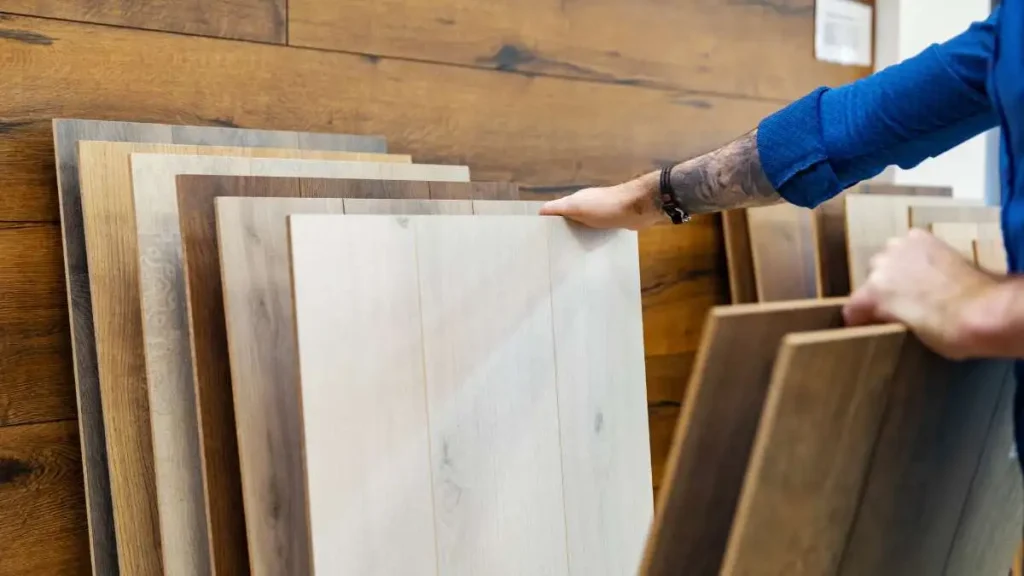
There’s no one-size-fits-all answer, but here’s a simple way to think about it based on what matters most to you.
- Budget: 5mm to 6mm is your best bet if you’re watching your spend. You still get a quality hybrid floor without stretching the budget too far. 7mm to 8mm costs more upfront but can be worth it if you’re planning to stay in the home long term.
- Comfort: Thinner options like 5mm can feel a little light underfoot, especially in larger open spaces. From 7mm onwards, you’ll notice a more solid, cushioned feel with every step.
- Acoustics: If noise is a concern, go thicker. A 7mm and 8mm hybrid flooring absorbs more sound, which makes a real difference in apartments or multi-storey homes. 5mm to 6mm is quieter than hard timber but won’t dampen sound as effectively.
- Subfloor Condition: If you got a few minor dips or bumps in your subfloor, a thicker plank handles imperfections better. If your subfloor is already smooth and level, a 5mm or 6mm option will perform just fine.
- Long-Term Feel: Thicker floors tend to feel more premium over time, especially in high-traffic areas. Thinner options hold up well too, as long as the product quality and installation are done right.
Still not sure which thickness is the right fit for your home? That’s completely normal. Every home is different, and sometimes it helps to talk it through with someone who knows floors inside and out.
Feel free to get in touch with us at A Timber Floorer and we’ll help you find the right option for your space, budget, and lifestyle.
FAQ About Hybrid Flooring Thickness
1. Does thicker hybrid flooring last longer?
Not necessarily. Longevity comes down to the quality of the wear layer and core construction, not thickness alone. A well-made 6mm floor can easily outlast a poorly constructed 8mm product.
2. Is 8mm hybrid flooring better than 7mm?
It depends on your needs. The difference is subtle, but 8mm offers a slightly more solid feel underfoot and marginally better sound absorption. For most homes, 7mm is more than enough.
3. Is thicker hybrid flooring quieter?
Generally, yes. Thicker planks with an attached underlay tend to absorb more impact sound. But the type of underlay and the subfloor beneath also play a big role in how quiet your floor feels day to day.
Conclusion
We kindly suggest you take your time to decide. Like most things in your home, it’s worth taking the time to find the perfect match rather than rushing the decision.
The right thickness will feel better underfoot, perform better over time, and suit your home’s specific needs.
When you’re ready to take the next step, contact A Timber Floorer and let our team guide you toward the right choice for your home.